Medical equipment plays a crucial role in achieving accurate diagnosis, which is the foundation of effective healthcare. Without proper diagnostic tools, healthcare professionals would struggle to identify diseases, assess their severity, or determine the most suitable treatment plans. As medicine has advanced, diagnostic medical equipment has become more precise, efficient, and reliable.
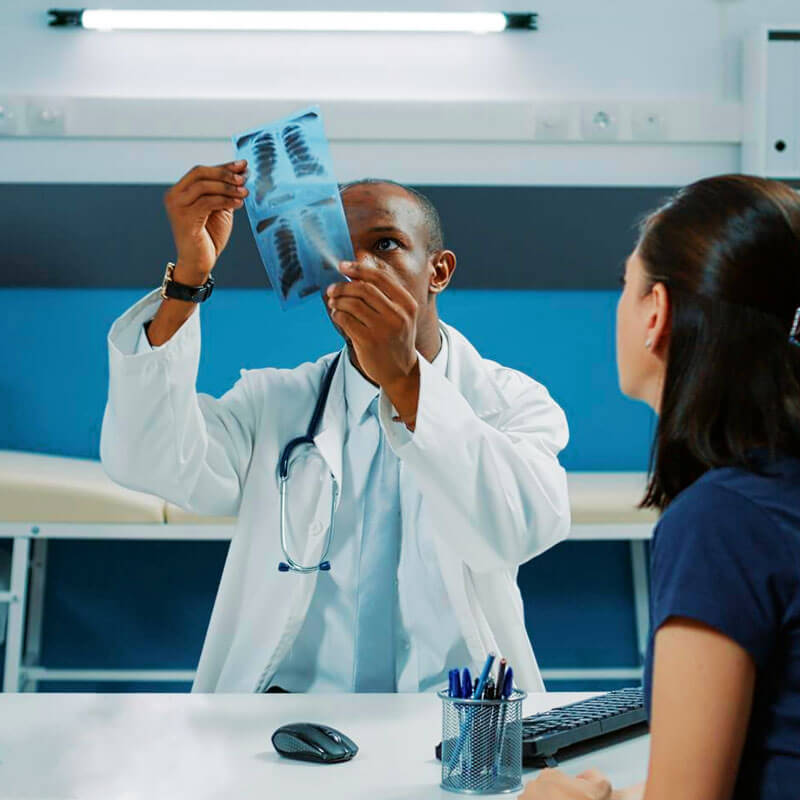
Diagnostic medical equipment includes a wide range of devices such as laboratory testing machines, imaging systems, and physiological measurement tools. Blood analyzers, microscopes, and biochemical testing equipment help detect infections, metabolic disorders, and organ dysfunctions. Imaging devices like X-rays, CT scans, MRI machines, and ultrasound systems allow doctors to examine internal structures without invasive procedures. These tools provide detailed information that supports early detection and timely intervention.
Accuracy in diagnosis reduces the risk of incorrect treatment and unnecessary procedures. For example, modern imaging equipment can clearly distinguish between healthy and abnormal tissues, enabling doctors to identify tumors, fractures, or internal bleeding with greater confidence. This precision improves patient outcomes and reduces emotional and financial stress for patients and their families.
Medical equipment also supports diagnosis through continuous monitoring. Devices such as ECG machines, blood pressure monitors, and oxygen saturation monitors help track vital signs over time. Changes in these readings can indicate the progression of disease or response to treatment, allowing healthcare providers to make informed decisions based on real data rather than assumptions.
Proper calibration and maintenance are essential to ensure diagnostic accuracy. Even advanced equipment can produce misleading results if it is not maintained correctly. Healthcare facilities must follow strict protocols for testing, servicing, and updating diagnostic devices to maintain reliability and safety.
As technology continues to evolve, diagnostic medical equipment is becoming faster and more intelligent. Artificial intelligence and digital imaging software can analyze results and assist clinicians in identifying abnormalities. These innovations enhance accuracy while reducing the time required for diagnosis.
In summary, medical equipment is essential for accurate diagnosis and effective healthcare delivery. By providing detailed insights into the human body, diagnostic tools support early detection, precise treatment, and improved patient care, making them indispensable in modern medicine. For more info about it, you can check guangzhou medical equipment factory.